
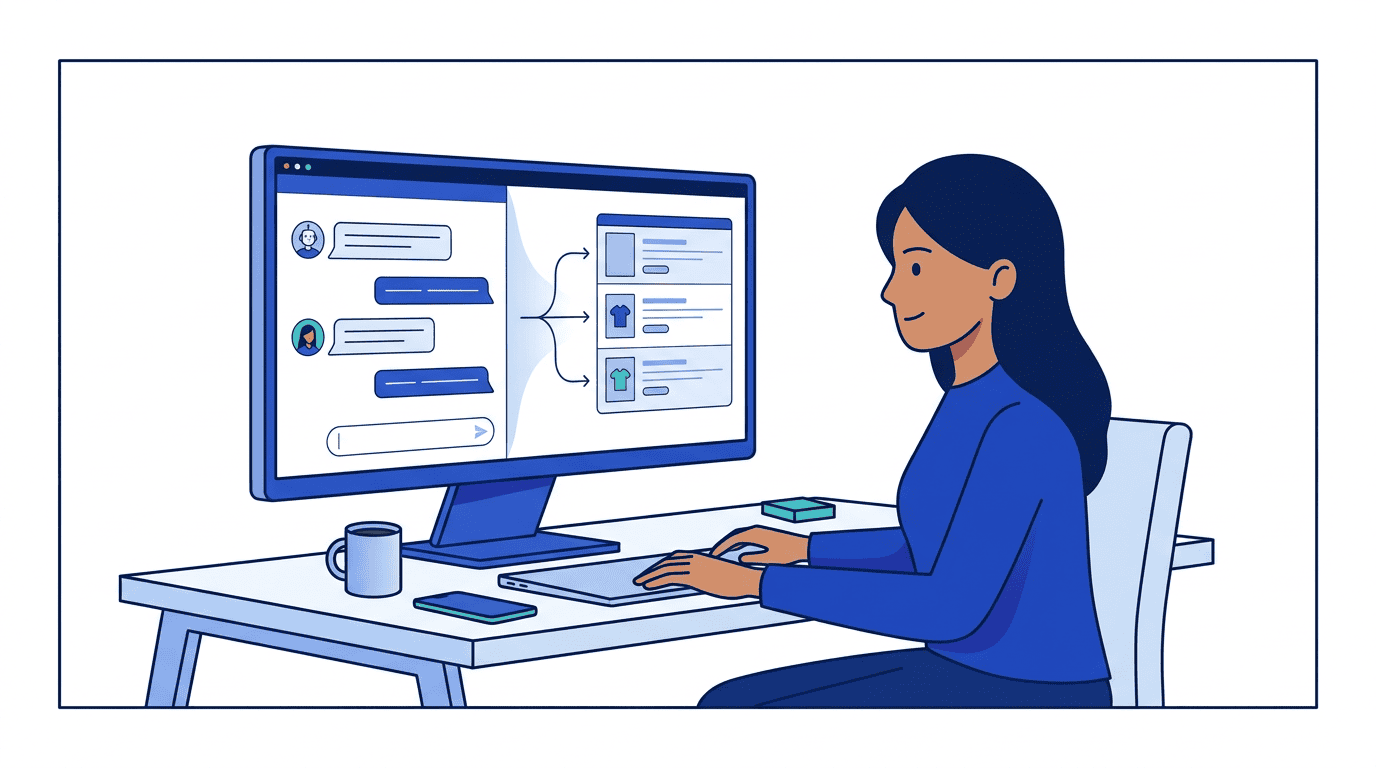
Experimental. Sponsored Intelligence is part of AdCP 3.0 as an experimental surface (feature id
sponsored_intelligence.core) — session lifecycle, UI components, identity/consent object shape, and capability negotiation may change between 3.x releases with at least 6 weeks’ notice. Sellers implementing SI MUST declare sponsored_intelligence.core in experimental_features. See experimental status for the full contract. Planned changes track the 3.1.0 roadmap.The reversed data flow
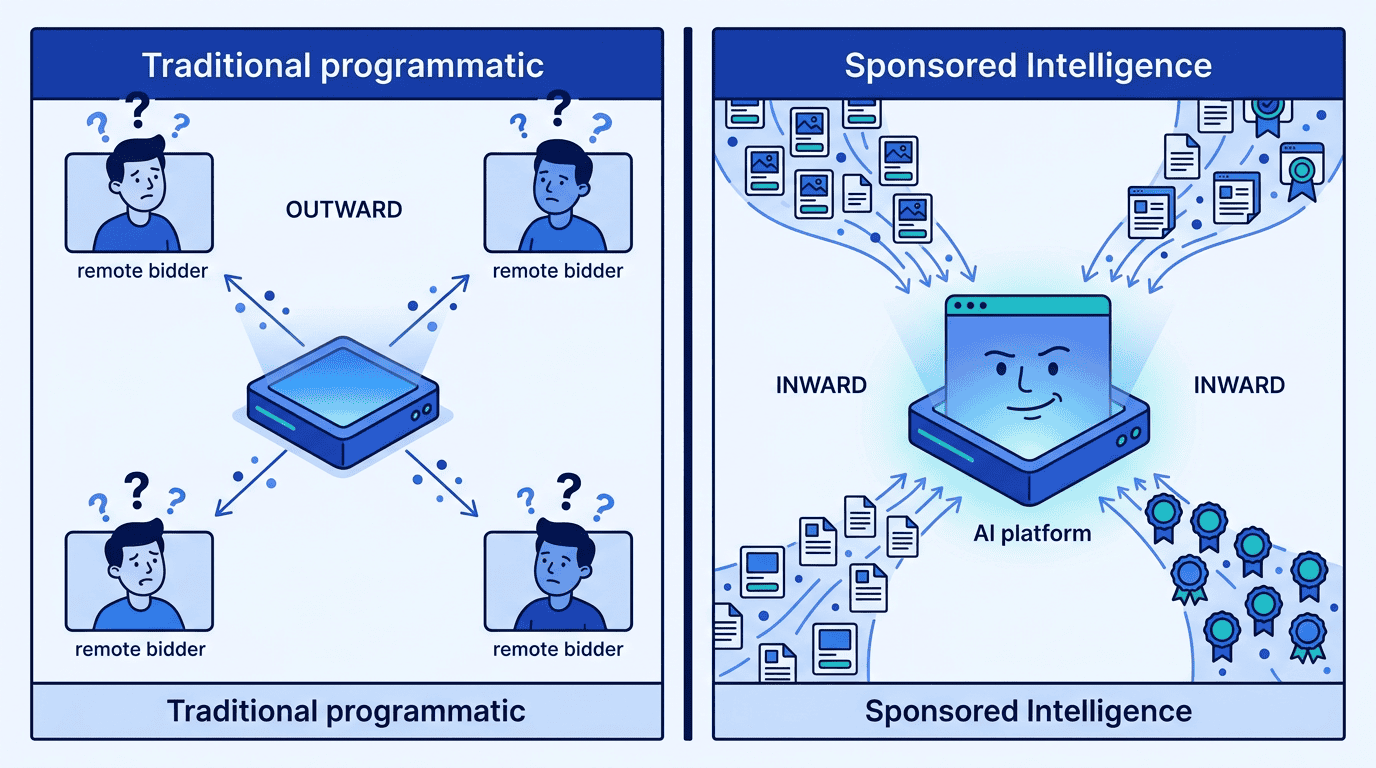
Programmatic language → Sponsored Intelligence terms
Programmatic language → Sponsored Intelligence terms
How it works: Priya’s first SI campaign
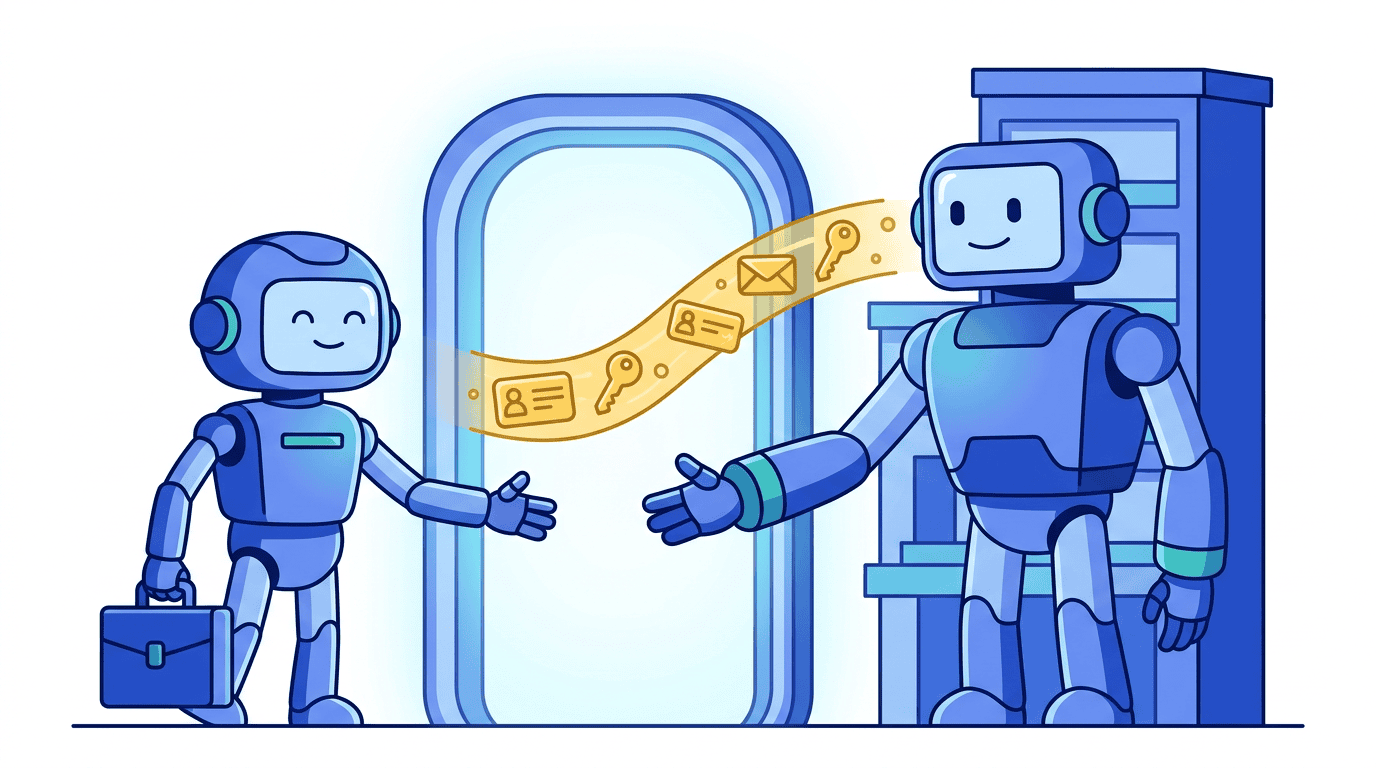
Priya starts with NovaMind, a major AI assistant that sells its own sponsored placements. NovaMind is a first-party AI platform — account-id namespace, its own ad serving, its own measurement.Step 1: Connect the account
Step 2: Push the ingredients
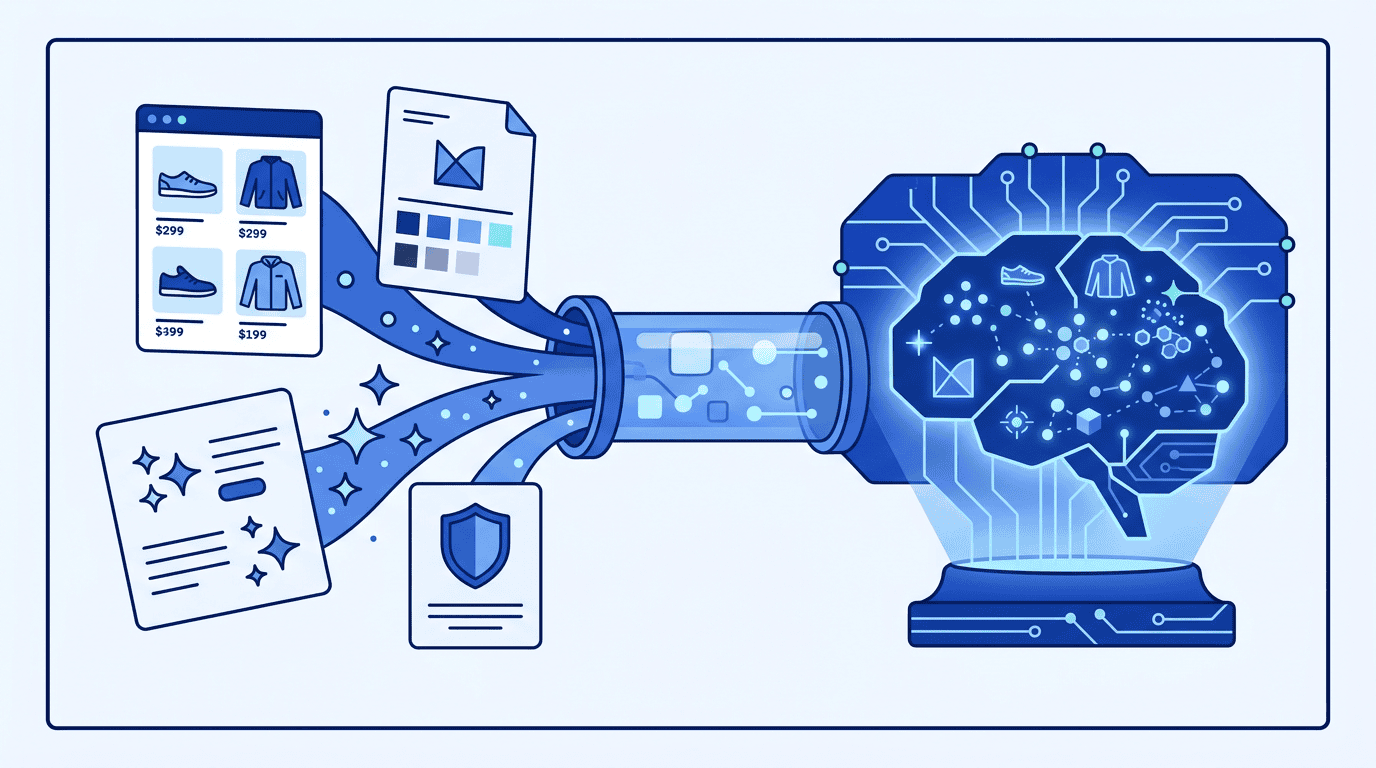
brand.json at ridgelinegear.com/.well-known/brand.json — voice, colors, visual guidelines that the platform reads when generating ads. And she sets content standards that the platform enforces at decision time.
SI governance integration is planned. Full protocol-level governance for Sponsored Intelligence — campaign registration via
sync_plans, session-lifecycle checks via check_governance, content standards for AI-generated content, and property governance for AI assistant placements — is under development. See the Governance overview for current status. Today, SI platforms enforce governance at the application layer using content standards and brand identity.Step 3: Discover products
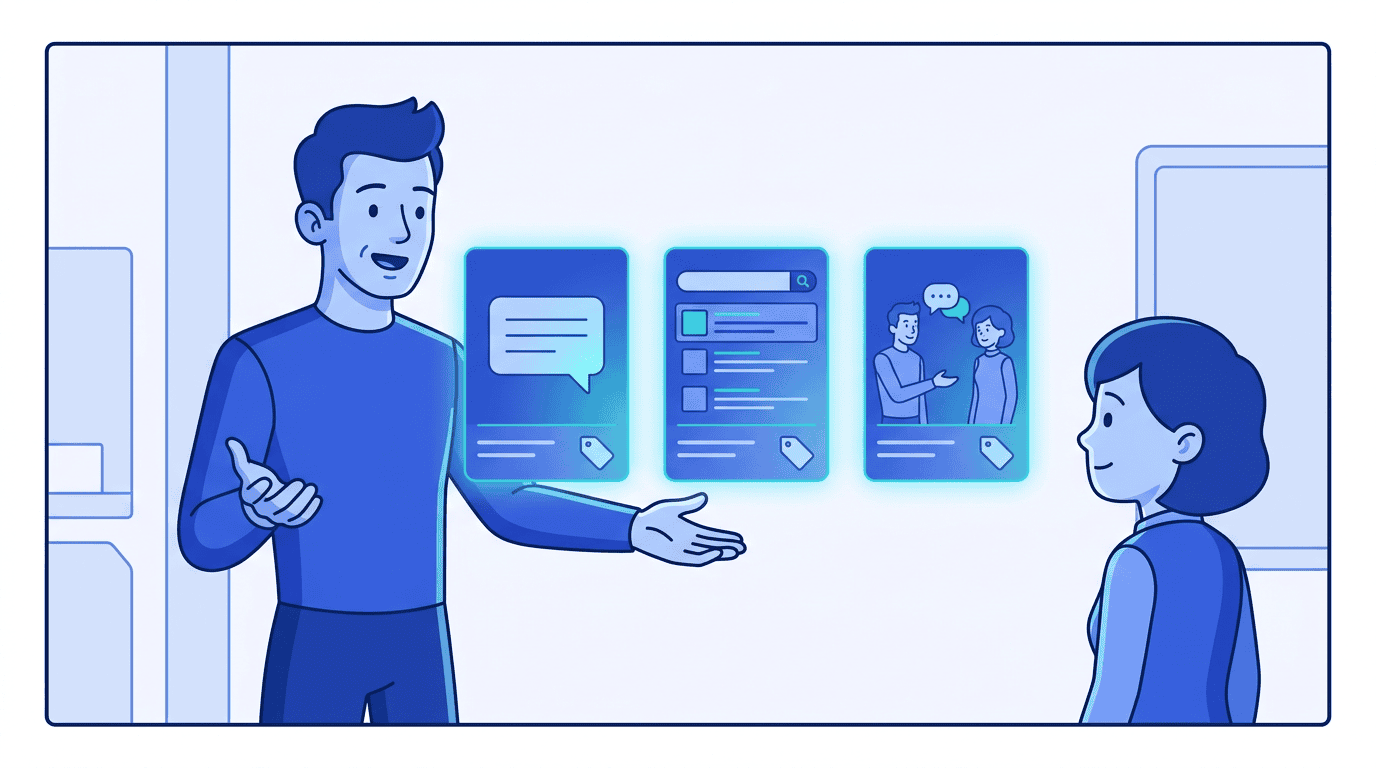
get_products she’d use for CTV or display:
Step 4: Create the media buy
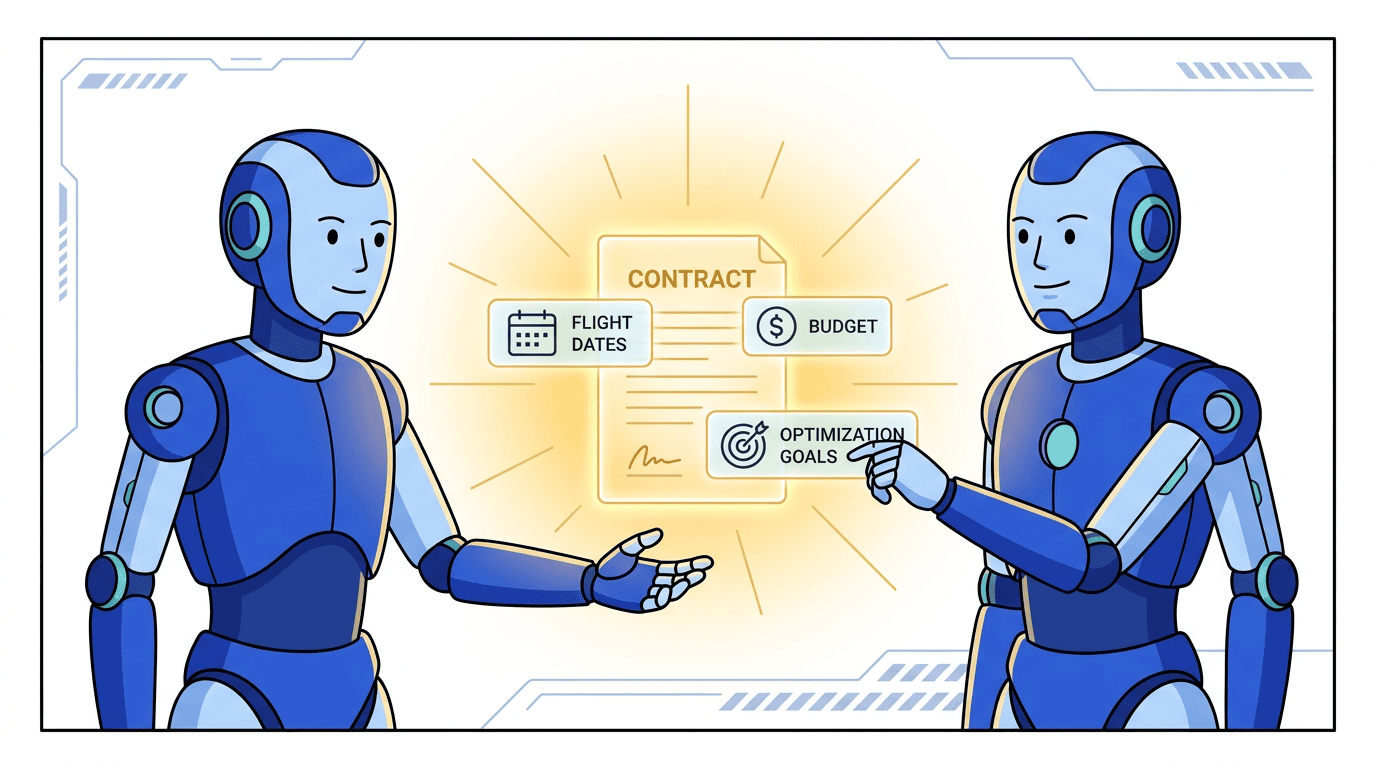
Step 5: The ad moment
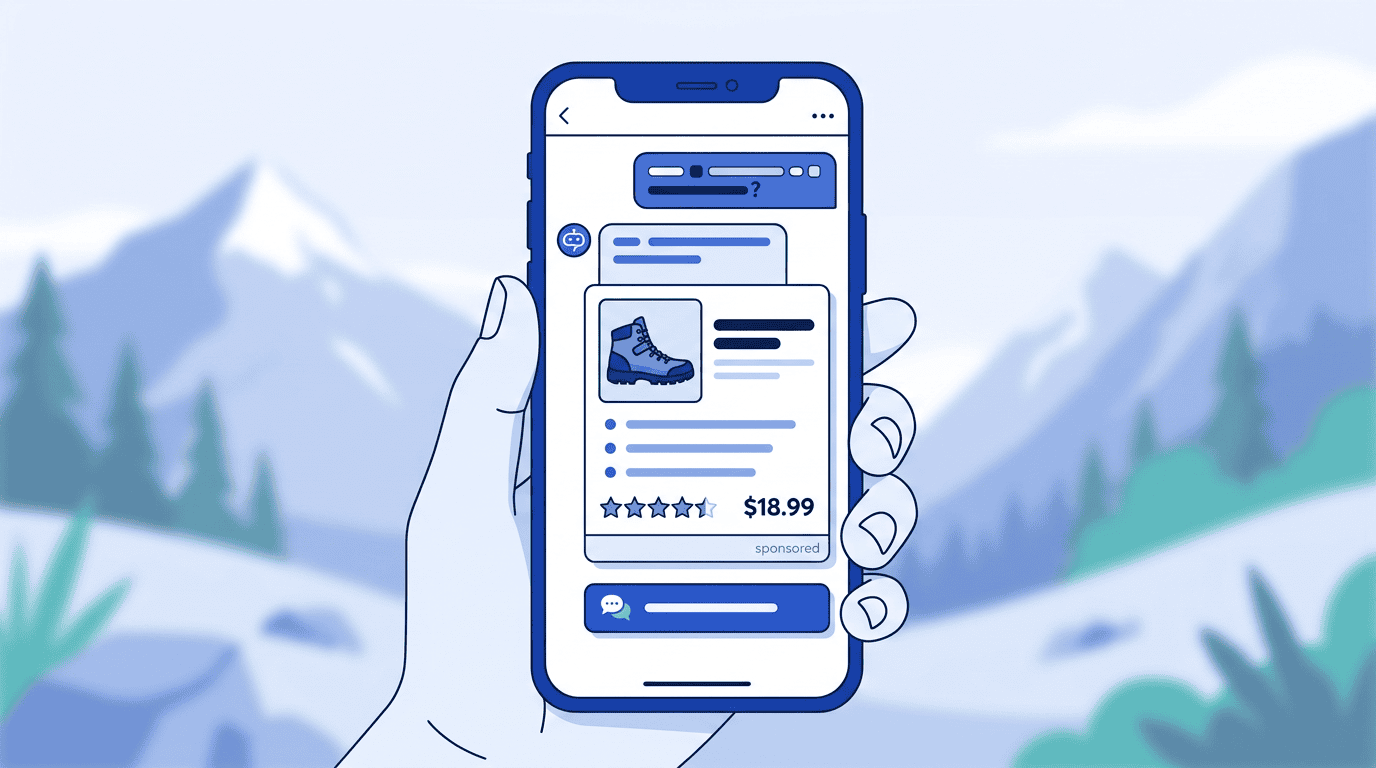
“What hiking boots should I get for the Appalachian Trail?”NovaMind’s LLM has Ridgeline’s product catalog, knows the Trail Pro 3000 matches this query, and generates a sponsored response:
“For the AT, you want a boot that handles rocky terrain and variable weather. The Ridgeline Trail Pro 3000 ($189) is built for exactly this — Gore-Tex waterproofing, Vibram outsole, and ankle support designed for multi-day hikes. It’s rated 4.7/5 by AT thru-hikers.” Sponsored by Ridgeline Gear · [Talk to Ridgeline →]Every detail comes from the catalog Priya synced — the price, the features, the ratings. The voice matches
brand.json. The content standards Priya set ensure the platform won’t make unsupported claims. The user sees a relevant, helpful recommendation, clearly labeled as sponsored.
Under the protocol, this is not just UI copy. Sponsored context can carry an accountability declaration that separates who paid for the context, how the host is allowed to use it, and whether user-facing disclosure is required. See Sponsored Context Accountability for the receipt and audit model.
If the user taps “Talk to Ridgeline,” NovaMind hands off to Ridgeline’s brand agent via SI Chat Protocol — a multi-turn conversation where the user can ask about sizing, compare models, and start a purchase. All within the AI experience.
Step 6: Measure results

get_media_buy_delivery response Priya uses for CTV and display. One dashboard, all channels. Her existing measurement stack — media mix modeling, multi-touch attribution, incrementality testing — works the same way it always has.
Scaling up: AI ad networks
Priya’s NovaMind campaign is working. Now she wants broader reach across dozens of AI surfaces — not just one platform. She connects to Gravity, an AI ad network.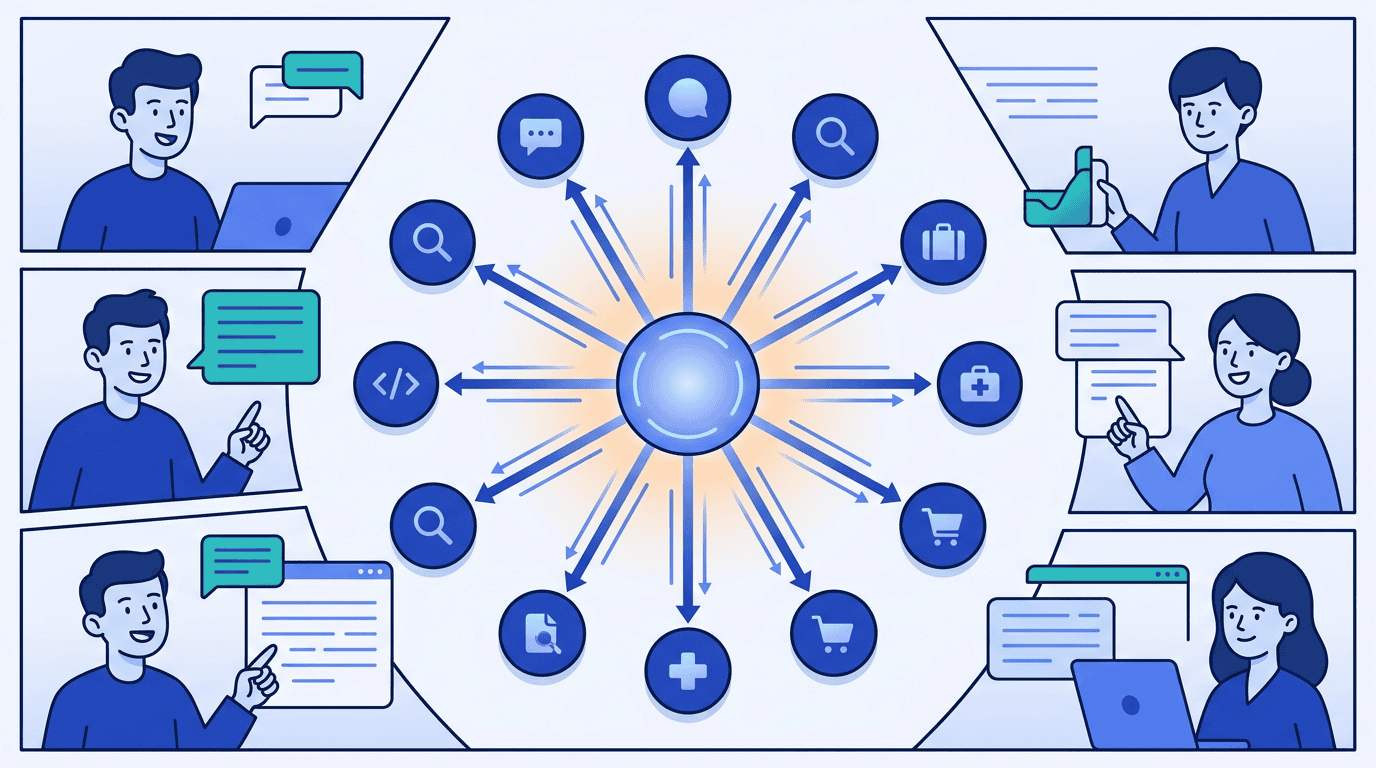
The same protocol tasks work on both paths. Priya calls
get_products, create_media_buy, and get_media_buy_delivery on Gravity exactly as she did on NovaMind — and exactly as she already does for her CTV and display campaigns through the media buy protocol. She sees everything in one dashboard.
At serving time, Gravity’s underlying AI platforms use the Trusted Match Protocol to match demand to conversations. TMP fans out to buyer agents, evaluates context and user eligibility, and the platform selects which offer to present — all within the LLM’s generation latency. The buying layer (media buys, catalogs, reporting) stays the same; TMP handles real-time mediation underneath.
Ad networks deep dive
Network topology, buyer-declared account chains, catalog forwarding, and SI Chat Protocol routing through intermediaries.
How demand reaches AI assistants
How TMP mediates demand on AI surfaces — context matching, frequency caps, and LLM integration.
Protocol architecture
SI uses two protocol layers:- Buying uses the media buy protocol —
get_products,create_media_buy,sync_catalogs,get_media_buy_delivery. You buy SI inventory the same way you buy CTV or display. Thechannels: ["sponsored_intelligence"]field on products is what identifies SI inventory. - Serving uses the SI protocol —
si_initiate_session,si_send_message,si_terminate_session. These tasks power the SI Chat Protocol brand experience handoffs.
The full picture
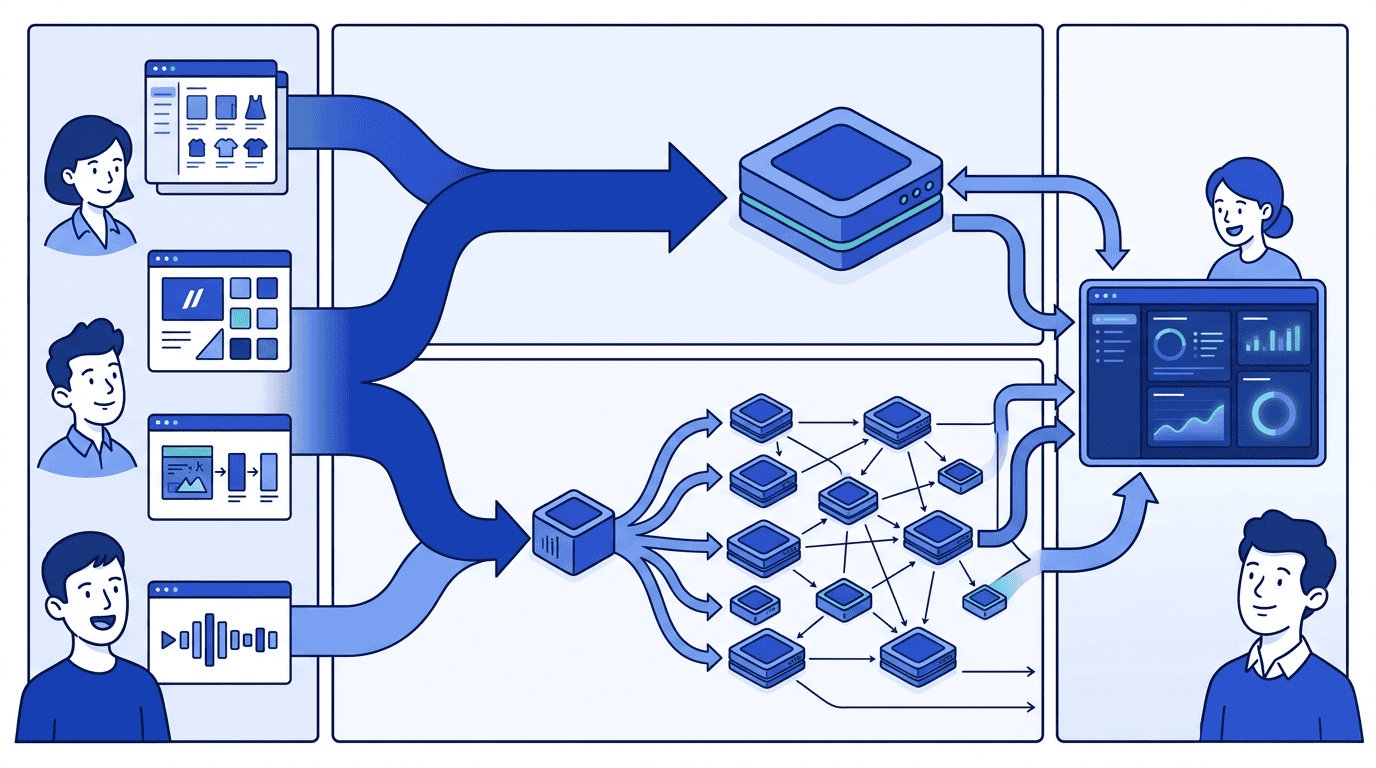
create_media_buy that runs her CTV and display campaigns runs her SI campaigns too.
Next quarter, she’s adding brand experience handoffs via SI Chat Protocol — so when a user wants to go deep on Ridgeline products, they can have a full conversation with Ridgeline’s brand agent without leaving the AI experience.
Go deeper
Product spectrum
The four SI product types — sponsored responses, AI search, generative display, and brand experience handoffs.
End-to-end workflow
Step-by-step from account setup through delivery reporting with code examples.
SI Chat Protocol
The conversational brand experience protocol — session lifecycle, modalities, and commerce handoff.
Monetizing AI
Non-technical guide for brands, agencies, and SMBs getting started.